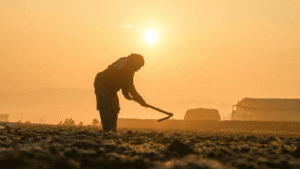
 India’s four new labour codes came into effect in November 2025, and the rules to run them were notified in May 2026. They were meant to make labour law simpler and wider in reach. But they do not mention climate change even once, though the last eleven years have been the warmest on record. This silence matters because extreme heat is no longer rare. For people who work outdoors, a heatwave means a lost day’s wage, a medical bill, or both. There is no paid leave and no insurance to fall back on, so the household absorbs the loss.
The reason is simple. Most protections in the codes depend on the size of the workplace. The safety code applies only to establishments with ten or more workers, and “factories” now need 20 workers, up from 10. Yet more than 90 per cent of India’s workforce is informal. That includes about 70 million construction workers and 16.5 million street vendors. Street vendors are treated as self-employed, so they fall outside most worker protections. Construction workers on small sites are left out of the social security code’s definition of building work. The people who work in the open, in the worst heat, are the ones the law reaches least. Women are hit hardest because they earn less, carry more care work at home, and have fewer ways to cope.
The financial damage is easy to see. A study of Delhi slum workers found that net earnings fell by about 40 per cent on heatwave days, while medical spending rose. A 2026 survey of Delhi vendors found that 96 per cent lost customers in the heat and nearly 40 per cent took on more debt, with women borrowing more than men. The state’s answer has been to register workers rather than protect them. The e-Shram portal has about 320 million registrations, but registration alone does not bring insurance, pension or healthcare. Welfare funds tell the same story. A parliamentary committee found that only about a quarter of the construction welfare cess collected since 1996 had been spent. Public money exists, but it is not reaching the people it was collected for.
So the question is of accountability. Who bears the cost of climate risk at work? Right now it is the worker’s own household, through lost wages, borrowing and delayed treatment. We ask for three things. First, heat should be covered in the labour codes and state rules, including changed work hours, shade, water and rest for outdoor workers. Second, welfare cess funds should be spent on workers, with public reporting on how much is collected and used. Third, informal workers should get income support when extreme weather stops their work, without the burden of paperwork falling on them. Until then, the labour codes will remain a promise on paper for those who work in the sun.