
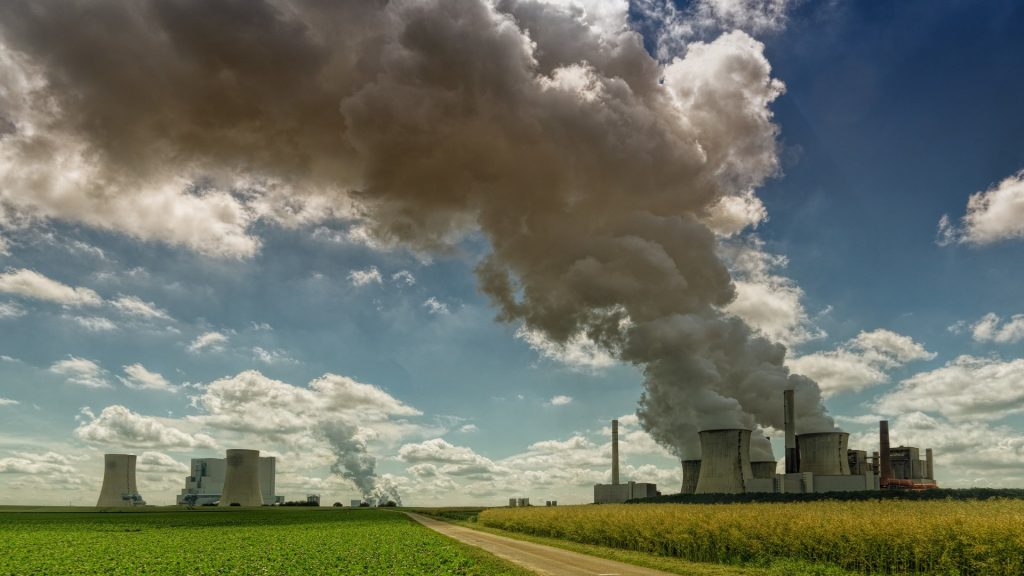
Local government officials in Maharashtra’s Sangli district ordered the immediate shutdown of a 10-megawatt waste-to-energy incineration plant, following public protests that highlighted systemic thermal failures, toxic emissions, and heavy agricultural contamination.
Compliance failures:
The Sub-Divisional Officer and Sub-Divisional Magistrate of the Miraj sub-division issued official closure orders on September 23, 2026, suspending operations at the Bhumi Green Energy Waste-to-Energy Incinerator Plant.
In the official closure directive issued on September 23, 2026, the Sub-Divisional Magistrate (SDM) of Miraj Sub-Division stated:
“The facility operations stand suspended due to non-compliance with statutory pollution norms, failure to transmit required continuous emissions data to regulatory boards, and persistent environmental hazards reported in the immediate vicinity.”
The regulatory action was triggered by a comprehensive joint fact-finding investigation conducted by the Centre for Financial Accountability (CFA) alongside local citizens’ collectives. Using Right to Information (RTI) disclosures and field sampling, researchers documented critical breaches of statutory environmental laws:
- Combustion Temperature Collapse: Central Pollution Control Board (CPCB) rules mandate that secondary combustion chambers must maintain a minimum operating temperature of to destroy organochlorine pollutants like dioxins and furans. RTI disclosures revealed the Sangli plant was running its secondary chamber at just .
- Discharge of Untreated Wastewater: Industrial effluents from the processing floors were routed directly into nearby freshwater streams without required treatment.
- Illegal Hazardous Fly Ash Disposal: Rather than routing toxic fly ash to authorized hazardous landfill sites, plant operators dumped uncontained ash mounds across multiple open locations throughout the district.
- Monitoring Blackouts: The facility disconnected its Online Continuous Emissions Monitoring System (OCEMS), preventing real-time stack emission readings from reaching the Maharashtra Pollution Control Board (MPCB) or the CPCB.
Impact: agriculture, health, and rural protests
Villagers lodged formal complaints with local authorities throughout mid-2026 after visible industrial soot ruined crops around Tung village. Particulate fallout forced local farmers to abandon delicate, high-value grape orchards and horticulture in favor of hardier crops like sugarcane. Fodder grass absorbed chemical fallout, causing livestock to reject local feed.
Farmworkers reported sharp spikes in eye inflammation, skin rashes, and severe respiratory illnesses.
In a joint memorandum submitted to the Sangli District Collector, the Gram Panchayat and farmers of Tung village stated:
“Industrial soot has ruined our grape and vegetable crops month after month. Chemical odors cling to fodder grass until livestock refuse to eat. Local growers are being forced to abandon delicate orchards for sugarcane while demanding this facility be shut down permanently.”
“The facility was operating under the guise of green power generation while blatantly violating foundational environmental norms,” stated Vaibhav Raut and Chythenyen Devika Kulasekaran, Researchers, CFA, in their joint investigation report. “When secondary chambers operate at instead of the mandated and toxic ash is dumped in open fields, it poses an immediate, grave hazard to human health and agriculture”.
Industry-wide pattern: toxic footprints pan India
The shutdown in Sangli is not an isolated event; it reflects a broader policy breakdown across India’s waste-to-energy sector. The CPCB currently classifies waste incineration under the low-polluting Blue category, which campaigners argue allows facilities to bypass strict environmental impact clearances.
Similar compliance battles are unfolding nationally:
- Delhi: CPCB performance audits placed multiple capital incineration units at the highest severity thresholds on the National Industrial Pollution Index due to uncontrolled toxic stack gases.
- Hyderabad & Bengaluru: Municipal plants operating in Jawaharnagar (Hyderabad) and Bidadi (Karnataka) face ongoing litigation and public protests over heavy metal pollution, foul odors, and unsegregated garbage incineration.
Environmental groups are urging the Ministry of Environment, Forest and Climate Change (MoEFCC) to revoke the Blue category status and impose a national moratorium on mass waste incineration.
Impact:
Beyond ecological damage, official audit figures reveal that the Sangli facility significantly underperformed relative to the public subsidies it received.
| Metric | Official Target / Mandate | Actual Recorded Output |
| Installed Generation Capacity | 10 Megawatts (MW) | ~3.3 MW operational average |
| Monthly Power Generation | 7.20 Million Units | 2.38 Million Units (~33% efficiency) |
| Secondary Chamber Temp | (Mandatory Safety Minimum) | (Recorded level) |
CFA researchers attribute these financial and operational failures to a fundamental structural flaw:
Indian municipal solid waste contains high moisture and low calorific value due to poor source segregation. To maintain high thermal combustion, plants must consume expensive auxiliary fossil fuels—leading operators to cut thermal parameters and release unburnt toxic gases into the atmosphere.
The shutdown of the Sangli plant marks a critical turning point in India’s waste management policies. For years, waste-to-energy incineration was promoted as an effortless solution to urban waste dumping—a technology capable of clearing landfills while feeding electricity back into the grid. However, ground realities in Sangli reveal that burning unsegregated, high-moisture municipal waste without thermal safeguards leads to severe public health risks and agricultural destruction.
Moving forward, civil society organizations, environmental researchers, and local collectives are demanding a fundamental shift away from mass incineration. To protect both rural livelihoods and urban environments, policy must pivot toward source segregation, decentralized organic composting, bio-methanation, and strict corporate accountability across entire supply chains. Until regulatory oversight catches up with field realities, mass incineration risks transforming municipal waste problems into localized public health crises.
In a joint statement issued by Paryavaran Rakshan Samiti Sangli, the National Alliance for Climate and Ecological Justice, and the Global Alliance for Incinerator Alternatives (GAIA), civil society groups said, “The focus must move beyond treating waste purely as a disposal issue and address it as a systemic production problem. Municipalities need to transition away from high-capital incineration toward source segregation, organic composting, and decentralized bio-methanation.”
Backdrop:
Developed under a partnership with the Sangli-Miraj-Kupwad Municipal Corporation, the 10-megawatt Bhumi Green Energy plant was designed to process 450 tonnes of daily municipal waste. Located near Miraj, the facility aimed to clear local landfills, protect the Krishna River basin, and generate electricity by converting solid waste into fuel.
This article was originally published in ESG News you can read it here.