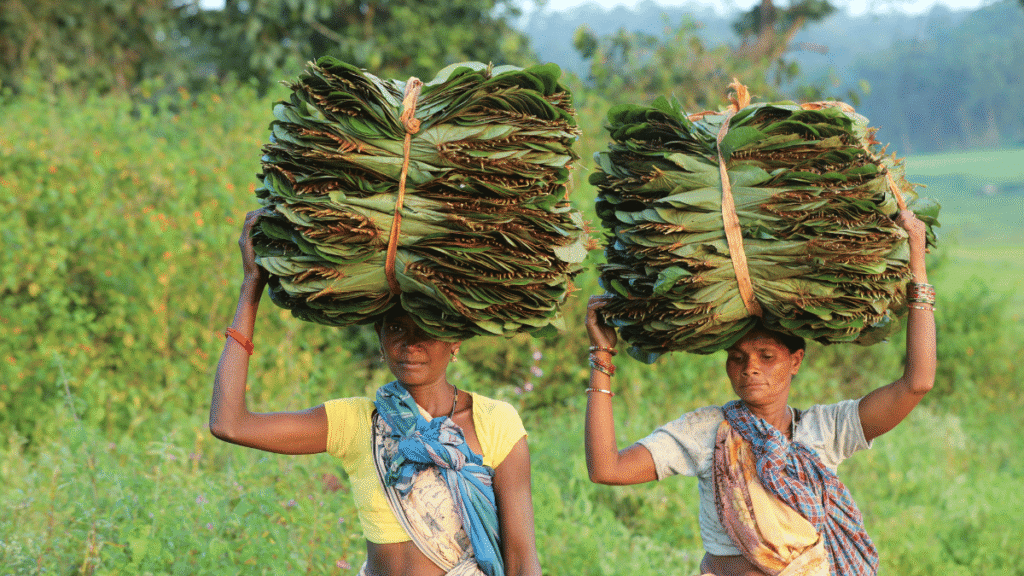
India’s numbers on women and work look impressive at first glance. Rural women’s labour force participation nearly doubled, from 24.6% in 2017-18 to 47.6% in 2023-24, one of the sharpest rises anywhere in the world, according to a new Oxfam study. It is tempting to read this as proof that more rural women are getting jobs and more economic freedom. The study says otherwise.
The rise does not come from women being hired for better work. It comes from more women being counted as “self-employed”, a label that covers everything from running a small shop to working unpaid on the family farm. Among rural women workers, the self-employed share went up from 57% to 72.2%. Of these, 59% were unpaid helpers in family enterprises. Over the same years, the share in salaried jobs fell from 11% to 8%, and casual labour fell from 32% to 20%. Put simply, women have moved into work but out of the jobs that bring a wage, a contract or any security.
Why is this happening? Research suggests it is distress, not choice. Village studies, such as the long-running study of Palanpur, found that women withdraw from paid work when household incomes improve and enter work when times get hard. When a family is under strain, women’s unpaid and low-paid labour becomes a way to cope. Some economists caution that part of the 2023-24 jump may come from changes in how surveyors recorded women’s work, but even they note that earnings of self-employed women have been falling, which points to a push of necessity and not a pull of opportunity. Public support matters here too. The Oxfam analysis points out that the new rural employment scheme rations work to certain seasons, pushes 40% of the wage bill onto fiscally stressed states, and needs twice-daily geo-tagged photo uploads on a mobile app, which is a real barrier for women with limited digital access
For a finance and accountability lens, the question is simple: who is paying for this “rise”? Women are carrying the cost through unpaid work, falling security and no claim over the land they farm, while public money for rural employment shrinks. A higher participation number should not be celebrated until it comes with fair wages, secure work and social protection. Until then, the number tells us how hard women are working to keep households afloat, not how far India has moved on women’s economic inclusion.